
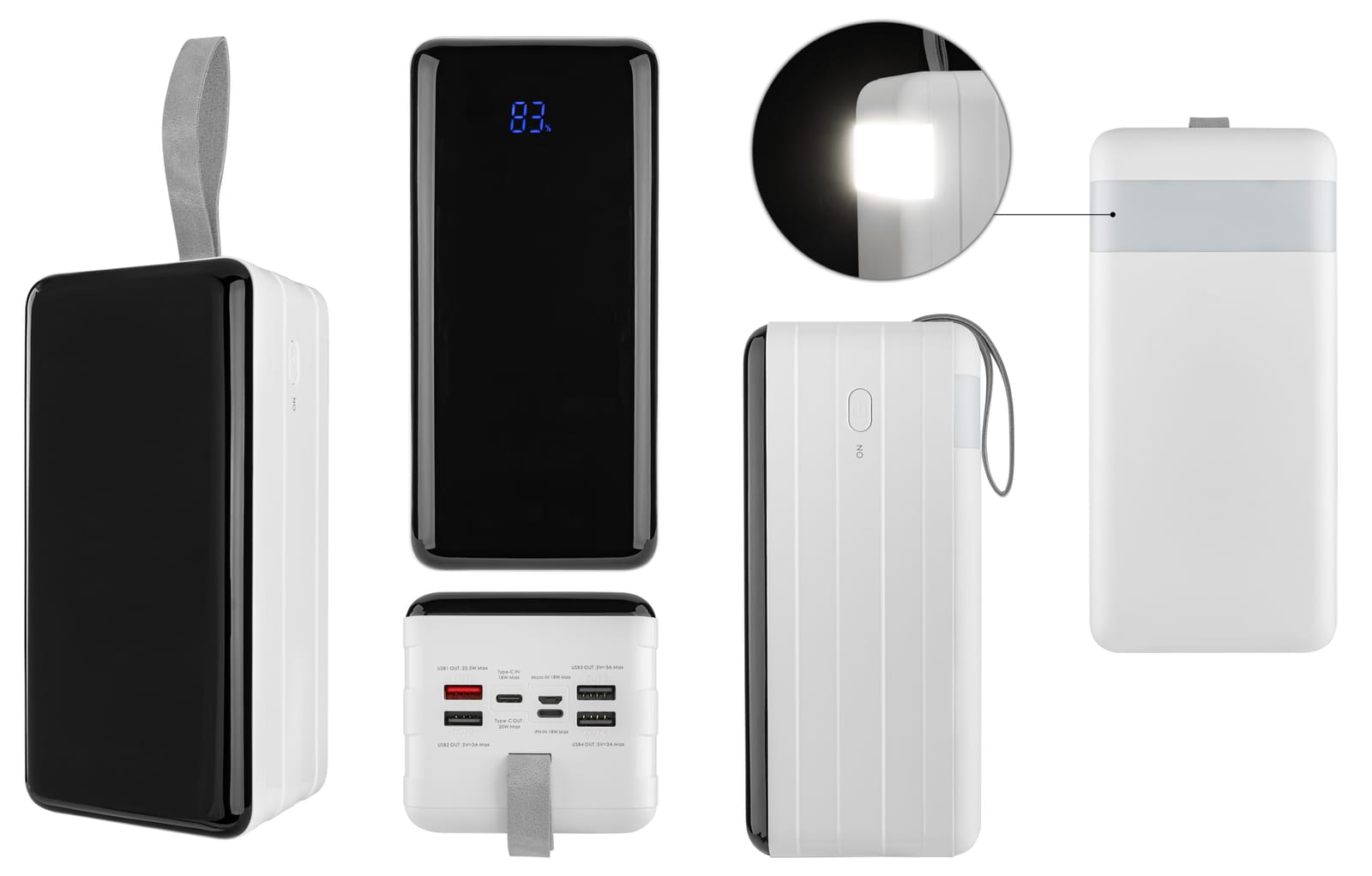
Imagine settling into your window seat when a loud pop echoes from the overhead bin. Smoke starts seeping into the cabin. Lithium-ion battery fires are rare, but they are terrifyingly intense. Knowing exactly what to do about exploding batteries on the plane can mean the difference between a minor scare and a catastrophic event. Flight crews train for this, but passengers must also understand the immediate actions required to keep everyone safe.
Key Takeaways
- Alert flight attendants immediately; they have specialized training and equipment.
- Never attempt to move a burning or smoking device unless instructed by the crew.
- Use water or non-alcoholic liquids to cool a lithium battery fire effectively.
- Always pack spare batteries in your carry-on baggage, never in checked luggage.
- Cover your nose and mouth with a wet cloth to protect against toxic smoke.
Recognizing the Warning Signs of a Thermal Runaway
Before a battery bursts into flames, it often exhibits warning signs. Thermal runaway occurs when a battery’s internal temperature rises uncontrollably. Consequently, you might notice a hissing sound, a chemical odor, or visible swelling. Furthermore, excessive heat radiating from a device is a major red flag. If you spot any of these signs, act fast.
Identifying Swelling and Hissing Sounds
A bulging phone case or a puffed-up power bank indicates gas buildup inside the cell. Additionally, a high-pitched hiss means the pressure valve is releasing. Do not puncture or press on the swollen area. Instead, place the device on a hard, non-flammable surface and notify the crew. Understanding what to do about exploding batteries on the plane starts with recognizing these early symptoms.
Immediate Steps to Take When a Battery Ignites
When a battery catches fire, every second counts. The chemical reaction produces its own oxygen, making it incredibly difficult to smother. Therefore, your response must be swift and calculated. Panic only exacerbates the danger. If you are wondering what to do about exploding batteries on the plane, the first step is always to get the flight crew involved.
Alerting the Flight Crew Immediately
Press your call button or shout for a flight attendant. They are equipped with fire-resistant gloves and specialized extinguishers. Do not try to be a hero by tackling the blaze yourself. The crew needs to know the exact location and nature of the fire immediately. They are trained to handle these specific emergencies efficiently.
Using the Right Fire Suppression Tools
Standard fire extinguishers might not stop a lithium fire. Flight attendants often use halon extinguishers followed by water. Water cools the battery, stopping the chain reaction. Consequently, pouring water on a lithium fire is actually the correct move, contrary to traditional fire safety rules. When considering what to do about exploding batteries on the plane, never use a standard fire extinguisher as your primary defense.
What to Do about Exploding Batteries on the Plane?
Once the initial fire is managed, the danger is not over. The device remains extremely hot and prone to re-ignition. Therefore, the crew must isolate the threat. They will likely place the burning device in a thermal containment bag or a metal container filled with water. This prevents the fire from spreading to surrounding materials.
Relocating Passengers and Containing the Device
Flight attendants will move passengers away from the affected area. Smoke from these fires is highly toxic, containing dangerous chemicals like hydrogen fluoride. If you are nearby, wet a cloth to cover your nose and mouth if possible. However, always follow the crew’s instructions regarding movement. Your cooperation ensures the situation remains under control.
Preventing Battery Fires Before You Fly
Prevention is always better than a mid-air emergency. Airlines strictly regulate lithium batteries because of their volatile nature. Consequently, packing correctly is your first line of defense. Knowing what to do about exploding batteries on the plane starts long before you board the aircraft.
Packing Lithium Batteries Safely
Spare batteries must always go in your carry-on baggage. Checked luggage holds a higher risk because a fire in the cargo hold cannot be reached by the crew. Furthermore, tape over the battery terminals or place each battery in its own plastic bag to prevent short-circuiting. This simple step can avert a disaster.
Choosing the Right Travel Gear
Investing in high-quality, certified gear reduces your risk significantly. Look for batteries and chargers with UL certification. For instance, a high-quality portable charger like the Anker Powerbank 20,000 offers built-in safety mechanisms. Additionally, a fire-resistant battery organizer, such as the Fireproof Lipo Battery Bag, Explosion-Proof Lithium Pouch, adds an extra layer of protection in your bag.
Post-Incident Procedures and Reporting
After the plane lands, the crew will file a detailed incident report. If you were involved, provide your account to the authorities. Furthermore, the airline will likely inspect the aircraft for any residual damage. Your cooperation helps improve future safety protocols. Ultimately, knowing what to do about exploding batteries on the plane ensures you and your fellow passengers stay safe.